Source Rectangular Hotel Luggage Scale for Airport, Gym, and Hotel Use
Find and compare 30 Rectangular Hotel Luggage Scale options from verified Chinese manufacturers. These electronic weighing devices feature LED or LCD displays, CE and ISO certifications, and customizable printing functions for airport baggage, gym fitness, and hotel weight loss center applications.
Key considerations
Products List

Coin Operating Weight Check Scale Airport Hotel Luggage Weighing Scale
$230.00 - $275.00
MOQ: 1 Pieces

Weight Scale Luggage Weight Scale with Coin Operation for Hotel Airport
$230.00 - $275.00
MOQ: 1 Pieces


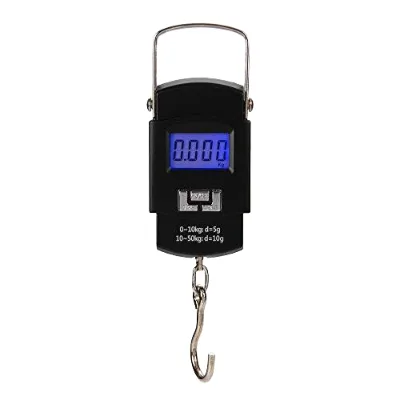
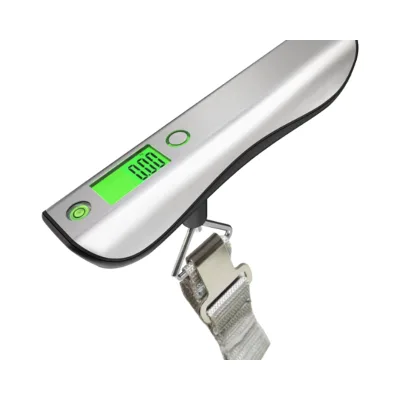
Travel Scale Mini Digital Luggage Scale
$2.20 - $2.30
MOQ: 500 Pieces
Guangdong South China Sea Electronic Measuring Technology Co., Ltd.






Comprehensive Sourcing Guide
Rectangular Hotel Luggage Scale Sourcing Guide
Sourcing rectangular hotel luggage scales requires a clear distinction between portable handheld units and fixed-floor digital weighing systems. The market offers a wide spectrum of products, ranging from compact, coin-operated devices designed for guest convenience to large, industrial-grade electronic scales intended for fitness centers and airport baggage handling. Buyers must first define the operational environment to select the appropriate form factor. Portable units are typically lightweight, battery-operated, and designed for temporary or mobile use, whereas fixed rectangular scales are often constructed from steel or aluminum, featuring LED or LCD displays and requiring AC power connections. Understanding this fundamental difference is critical for aligning procurement with the specific logistical needs of the facility, whether it involves managing guest luggage at a front desk or monitoring body weight in a gym setting.
The procurement process also demands careful attention to customization and branding opportunities, particularly for hotel chains seeking to maintain a consistent aesthetic. Many suppliers offer customization options for screen printing, color schemes, and even language support on the display interface. This flexibility allows hotels to integrate the scales seamlessly into their existing decor and brand identity. However, buyers should verify the minimum order quantities (MOQ) associated with these customizations, as they often differ from standard off-the-shelf pricing. Additionally, the physical dimensions and packaging details of the scales must be evaluated to ensure they fit within the designated space and can be transported efficiently. By focusing on these initial scope definitions, buyers can narrow down the supplier pool to those capable of meeting their specific functional and aesthetic requirements.
Product Scope and Observed Listing Signals
The observed product listings reveal a diverse range of specifications that cater to different use cases, from body weight measurement to luggage weighing. Key attributes identified in the market include rectangular and square shapes, with display types varying between LED and LCD screens. The functional applications span across gyms, fitness centers, airports, and hotels, indicating a broad utility for these devices. For instance, some models are explicitly marketed as "Coin Luggage Scales" or "Airport Baggage Scales," while others are labeled as "Body Weight Scales" or "Height Weight Scales." This variety suggests that buyers should not assume all rectangular scales are interchangeable; instead, they must match the specific function, such as weighing luggage versus measuring human height and weight, to the intended application.
Observed technical parameters provide further insight into the capabilities of these devices. Net weights of the products range from approximately 27kg to 32kg, with gross weights slightly higher, indicating substantial build quality suitable for commercial use. Dimensions vary significantly, with some models measuring around 3355235cm, while others are more compact at 1294235cm. These physical characteristics directly impact installation requirements and space planning. Furthermore, the presence of features like automatic measurement methods and standby power consumption (ranging from 5W to 6W) highlights the energy efficiency and ease of use of modern electronic scales. Buyers should carefully review these observed signals to ensure that the selected scale meets the operational demands of their specific environment, whether it is a high-traffic airport terminal or a quiet hotel lobby.
Technical Specifications to Verify
When evaluating technical specifications, buyers must prioritize accuracy and measurement range to ensure the scale performs reliably under expected loads. For body weight scales, accuracy is often specified within a range of 1-500kg with a precision of 0.1kg, which is essential for providing precise feedback to users in fitness or medical settings. In contrast, luggage scales may have different weight capacities and accuracy requirements, depending on the maximum expected load. Buyers should verify the unit of measurement options, such as Kg, Lb, and Oz, to ensure compatibility with local standards and user preferences. Additionally, the working voltage, typically AC 110-220V at 50Hz or 60Hz, must be confirmed to match the electrical infrastructure of the installation site, preventing compatibility issues and potential damage to the device.
Structural integrity and material composition are also critical technical factors that influence durability and maintenance. Many rectangular scales are constructed from steel or aluminum, providing robustness for high-traffic environments. The structure is generally electronic, relying on internal sensors and microprocessors to process weight data. Buyers should inquire about the material grade and construction quality to assess longevity, especially for scales used in airports or gyms where heavy usage is common. Furthermore, the display type, whether LED or LCD, should be evaluated for visibility under different lighting conditions. LED displays often offer better visibility in bright environments, while LCD screens may provide more detailed information. Verifying these technical details ensures that the selected scale will perform consistently and reliably over its operational lifespan.
Compliance and Safety Documentation
Compliance with international standards is a non-negotiable aspect of sourcing electronic weighing scales, particularly for use in public spaces like hotels and airports. Certifications such as CE, ISO, and RoHS are commonly observed in product listings, indicating adherence to European health, safety, and environmental protection standards. Buyers must request valid certification documents from suppliers to verify that the products meet these regulatory requirements. The CE mark, for instance, signifies that the product conforms to EU legislation, allowing it to be sold within the European Economic Area. Similarly, ISO certification indicates that the manufacturer follows quality management principles, which can be a proxy for consistent product quality. RoHS compliance ensures that the device is free from specific hazardous materials, which is increasingly important for environmental sustainability and consumer safety.
Beyond certifications, buyers should also consider the safety features and electrical standards of the scales. The working voltage and standby power consumption are key indicators of electrical safety and efficiency. Devices with low standby power, such as those consuming 5W or 6W, are generally more energy-efficient and generate less heat, reducing the risk of electrical hazards. Additionally, the structure of the scale, whether it is made of steel or aluminum, should be evaluated for stability and slip resistance, especially in wet or high-traffic areas. Buyers should verify that the scales have appropriate safety features, such as overload protection and stable base designs, to prevent accidents. Ensuring that all compliance and safety documentation is in order before procurement helps mitigate legal and operational risks associated with deploying these devices in public or commercial settings.
Cost Drivers and Commercial Terms
The cost of rectangular hotel luggage scales is influenced by several factors, including customization, material quality, and order volume. Customization options, such as screen printing, color customization, and language support, often come with additional costs and higher minimum order quantities (MOQ). Buyers should be prepared for MOQs ranging from 1 set to 3000 units, depending on the level of customization and the supplier's production capabilities. Understanding these commercial terms is essential for budgeting and inventory planning. For instance, a small hotel may opt for a lower MOQ with standard features, while a large chain might negotiate bulk pricing for customized units to achieve cost efficiencies.
Pricing ranges observed in the market vary significantly, from as low as $1.01 to $300, reflecting the diversity in product types and specifications. Portable, handheld scales tend to be on the lower end of the price spectrum, while fixed, industrial-grade electronic scales with advanced features and robust construction are priced higher. Buyers should consider the total cost of ownership, including shipping, packaging, and potential maintenance costs, rather than just the unit price. Packaging details, such as carton dimensions and weights, also impact logistics costs. For example, a scale packed in a carton measuring 1273545cm will have different shipping costs compared to one packed in a smaller box. By carefully evaluating these cost drivers and commercial terms, buyers can make informed decisions that balance quality, functionality, and budget constraints.
Supplier Qualification and Quality Control
Supplier qualification is a critical step in ensuring the reliability and quality of the sourced scales. Buyers should verify the supplier's origin, with many manufacturers located in regions like Zhengzhou, Henan, and Guangdong, China. These regions are known for their manufacturing capabilities, but buyers should conduct due diligence to assess the supplier's reputation, production capacity, and quality control processes. Requesting samples before placing bulk orders is a prudent strategy to evaluate the product's build quality, accuracy, and functionality. Additionally, buyers should inquire about the supplier's warranty policies and after-sales support, as these factors can significantly impact the long-term usability of the scales.
Quality control measures should be clearly defined and agreed upon with the supplier. This includes specifications for materials, such as steel or aluminum construction, and performance metrics like measurement accuracy and display clarity. Buyers should also verify the packaging standards to ensure that the scales are protected during transit. For instance, some suppliers use color boxes for individual units, while others use larger cartons for bulk shipping. Establishing clear quality control checkpoints, such as pre-shipment inspections and acceptance criteria, helps mitigate the risk of receiving defective or substandard products. By prioritizing supplier qualification and robust quality control, buyers can ensure that the rectangular hotel luggage scales they procure meet their operational and quality expectations.
Long-Term Procurement Checks
Long-term procurement success depends on establishing ongoing relationships with suppliers and implementing regular performance reviews. Buyers should monitor the performance of the scales in their operational environment, tracking metrics such as accuracy drift, maintenance frequency, and user feedback. This data can inform future purchasing decisions and help identify potential issues with specific models or suppliers. Additionally, buyers should stay informed about technological advancements and industry trends, such as new display technologies or improved sensor accuracy, to ensure that their procurement strategy remains competitive and relevant. Regularly reviewing supplier performance and market conditions helps buyers adapt to changing needs and maintain high standards of service.
Furthermore, buyers should consider the scalability of their procurement strategy. As the number of scales deployed increases, buyers may need to negotiate better pricing, extended warranties, or dedicated support services. Establishing clear communication channels with suppliers and maintaining a record of all transactions and communications can facilitate smoother negotiations and dispute resolution. Buyers should also evaluate the environmental impact of their procurement choices, considering factors such as energy efficiency and recyclability of materials. By adopting a proactive and strategic approach to long-term procurement, buyers can optimize their investment in rectangular hotel luggage scales and ensure sustained value for their organizations.
FAQs
What certifications do rectangular hotel luggage scales have?
These scales typically hold CE, ISO, and RoHS certifications to ensure safety and quality compliance. The CE mark indicates conformity with health, safety, and environmental protection standards for products sold within the European Economic Area. ISO certification verifies that the manufacturer follows international quality management systems. RoHS compliance ensures the device is free from specific hazardous materials. Buyers should verify these documents with suppliers to meet local regulatory requirements for hotel and airport use.
Can the display type be customized for these scales?
Yes, customization is available for the display and appearance features. Manufacturers often offer LED or LCD display options depending on the specific model and buyer preference. The screen printing color and language support can also be tailored to match hotel branding or international traveler needs. Buyers should confirm the exact display technology and customization limits with the supplier before placing an order to ensure the final product meets their specific operational requirements.
What is the typical MOQ for rectangular hotel luggage scales?
The minimum order quantity generally ranges from 1 set to 3000 units, depending on the supplier and product model. Some vendors offer low MOQs starting at just one set for testing or small hotel purchases. Larger orders may benefit from better pricing but require higher volume commitments. Buyers should check the specific MOQ with the supplier to understand the entry barrier and negotiate terms that align with their initial procurement needs and budget constraints.
Where are these scales typically manufactured?
These scales are primarily manufactured in China, with key production hubs in Zhengzhou, Henan, and Guangdong provinces. Suppliers in these regions are known for producing electronic weighing equipment for various applications including hotels, gyms, and airports. Buyers should verify the exact origin with the supplier to assess logistics costs and lead times. Understanding the manufacturing location helps in evaluating the supply chain reliability and potential shipping durations for international orders.
What are the standard dimensions for these scales?
Standard dimensions vary by model but often include sizes like 33x55x235cm or 129x42x35cm for the device itself. Packing dimensions are also important, with common carton sizes around 127x35x45cm or 129x43x39cm. These measurements ensure the scale fits standard hotel luggage areas and allows for efficient shipping. Buyers must confirm the exact product and packing dimensions with the supplier to plan storage space and calculate accurate freight costs based on volume and weight.